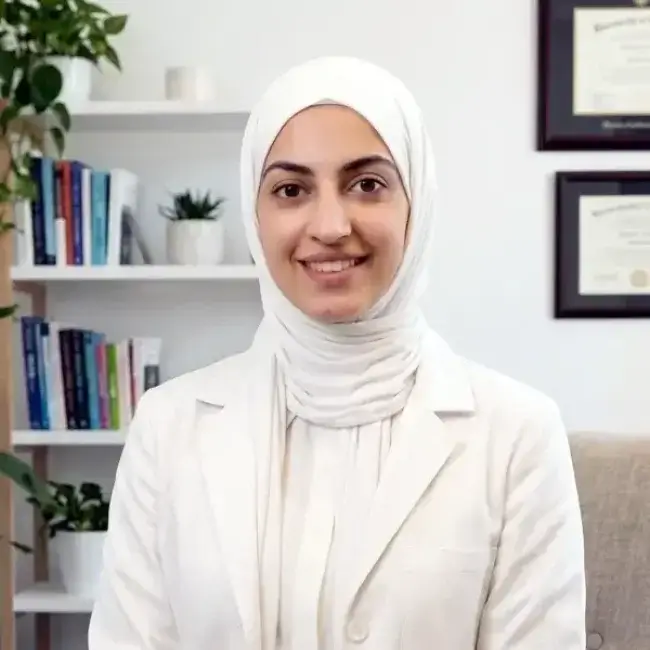
We provide compassionate counselling for women experiencing Somatic Symptom Disorder, helping them manage health anxiety, emotional distress, and physical symptoms. Through personalized therapy, we support healthier coping skills, resilience, and overall well-being.

We recognize how essential women’s mental health counselling therapy is for those dealing with somatic symptom disorder in Mississauga. This therapy offers a safe space to explore the emotional connections to physical symptoms, helping us understand and manage health anxiety. With the use of trauma-informed care, we can cultivate resilience and emotional balance. Our approach incorporates holistic strategies, including mindfulness and relaxation techniques, to promote overall well-being. By addressing both mental and physical health, we empower ourselves on the path to recovery. Discovering more about local resources and tailored support can further enhance this journey toward healing.
Women’s Mental Health Counselling therapy plays an essential role in addressing the unique challenges and experiences that many of us face, particularly when it comes to somatic symptom disorder. This type of therapy helps us navigate the psychological distress that often accompanies our physical symptoms. Through symptom-focused therapy, we’re able to explore the connections between our emotions and bodily experiences, fostering emotional healing.
As we engage in this process, we can develop effective coping mechanisms that empower us to manage health anxiety and stress-related disorders. It’s vital that our therapists employ trauma-informed care, ensuring that we feel safe and understood throughout our journey. This approach not only validates our experiences but also promotes resilience building, helping us to cultivate strength in the face of adversity.
Together, we can work towards understanding our bodies and minds as intertwined systems. Women’s mental health counselling therapy is a supportive space where we can learn to embrace our feelings, reduce anxiety, and ultimately improve our overall well-being. By prioritizing our mental health, we’re making a powerful statement about our worth and the importance of emotional balance in our lives.
Exploring the connection between mental health and somatic symptom disorder reveals how our emotional well-being can profoundly influence physical sensations and experiences. For many women, the journey through chronic pain or health-related stress often intertwines with underlying psychological issues. It’s important to recognize that symptoms can be amplified by anxiety and trauma, highlighting the intricate body-mind connection.
When we focus on women’s mental health, we see that emotional and psychological well-being plays a vital role in managing somatic symptom disorder. Many women may find that unresolved trauma can manifest as physical symptoms, complicating their recovery and heightening feelings of distress. By addressing these emotional factors, we can foster a path toward trauma recovery and better anxiety management.
Understanding this link encourages us to adopt a holistic approach to treatment. We can explore effective strategies that support both mental and physical health, empowering ourselves to break the cycle of symptom amplification. Through compassionate counseling and therapy, we can enhance our overall well-being and find relief from the burdens of somatic symptom disorder. Together, we can cultivate a healthier, more balanced life that embraces both our emotional and physical experiences.
Somatic symptom disorder can deeply impact women, often leading to a complex interplay of physical discomfort and emotional distress that can feel overwhelming. Many of us have experienced the frustration of psychosomatic symptoms, where our bodies manifest pain and discomfort that can’t easily be explained. This struggle affects our emotional health, often intertwining with anxiety disorders and historical trauma.
In seeking women’s mental health support, we can find pathways to understanding and healing. Mental health counseling can provide us with the tools for stress management, helping us to navigate the emotional turmoil that often accompanies somatic symptom disorder. Through trauma recovery programs, we can begin to unravel the layers of our experiences, fostering emotional resilience and promoting personal growth.
Recognizing how somatic symptom disorder affects our lives is the first step toward reclaiming our well-being. By acknowledging the connection between our physical and mental states, we can set forth on a journey of holistic healing. Together, let’s support each other in addressing these challenges, fostering a community where we can thrive and find balance in both our physical and emotional health.

Mental health counseling plays an essential role in helping us navigate the challenges of somatic symptom disorder, offering support and strategies to address both our emotional and physical experiences. Through women’s therapy, we can explore the connection between our emotional well-being and the psychosomatic disorder affecting us. This therapeutic process provides emotional support, helping us understand that our feelings can manifest as physical pain.
Counseling equips us with effective coping strategies to manage our symptoms and improve our quality of life. Techniques like pain management and relaxation techniques enable us to alleviate discomfort and foster a sense of control over our bodies. Additionally, trauma therapy can be critical for those of us with a history of trauma, as it helps us process past experiences that may contribute to our current struggles.
Health monitoring is another crucial aspect of mental health counseling, guiding us in recognizing patterns and triggers in our symptoms. By building a supportive therapeutic relationship, we can collaboratively develop a personalized plan that addresses our unique experiences, empowering us on our journey toward healing and resilience. Together, we can create a healthier, more balanced life.
Understanding the symptoms and triggers of somatic symptom disorder can be a significant step in managing our experiences and finding relief. Many of us may experience somatic symptoms, such as pain or fatigue, that seem to have no clear medical cause. These physical symptoms can lead to increased symptom severity and excessive health concerns, making it essential to recognize how they affect our daily lives.
It’s important to explore our personal history, particularly any trauma we’ve faced, as this can be a notable trigger for bodily distress. The doctor-patient relationship plays a fundamental role here; we need to feel comfortable discussing our symptoms openly to receive proper medical reassurance. By identifying our specific triggers, we can better understand our pain perception and how it relates to our emotional state.
Through this awareness, we can begin to differentiate between genuine health issues and those influenced by psychological factors. By acknowledging our experiences, we’re paving the way toward effective coping strategies and, ultimately, a more balanced approach to our mental and physical health. Together, we can navigate this journey toward healing and empowerment.
Cognitive Behavioral Therapy (CBT) offers us valuable tools to effectively manage the challenges of somatic symptom disorder (SSD) by helping us reframe negative thought patterns and develop healthier coping strategies. In our journey toward understanding women’s mental health, we recognize how SSD can manifest through psychosomatic symptoms, leading to heightened anxiety and stress.
With CBT, we can learn to identify and challenge these unhelpful thoughts, paving the way for anxiety relief and improved emotional regulation. By incorporating mindfulness practices into our sessions, we can cultivate awareness of our thoughts and feelings, promoting stress reduction and enhancing our overall well-being.
This behavioral therapy provides us with mental health resources that empower us to create lasting change. We’ll work together to develop practical skills that address the physical and emotional aspects of SSD, ensuring we’re not just managing symptoms, but also enhancing our quality of life. By embracing CBT, we can transform our relationship with our bodies and minds, ultimately fostering resilience and a deeper understanding of ourselves. Together, we can navigate the complexities of SSD and emerge stronger and more balanced.
Recognizing the intertwined nature of anxiety and depression in women with somatic symptom disorder (SSD) allows us to approach these challenges with compassion and tailored strategies that promote healing and resilience. At the heart of our women’s counseling services, we focus on fostering self-awareness, helping clients identify the emotional triggers linked to their symptoms.
By utilizing mental health therapy techniques, we aim to address both anxiety and depression, fostering emotional recovery. Holistic therapy approaches can be particularly effective, as they consider the whole person rather than just the symptoms. This way, we provide stress relief that supports not only mental but also physical well-being.
Trauma healing is another essential aspect of our work, as many women with SSD may have unresolved trauma contributing to their mental health struggles. By integrating trauma-informed care, we create a safe space where women can explore their feelings and experiences without judgment. Together, we can work towards understanding the complex relationship between SSD, anxiety, and depression, ultimately guiding women toward a path of healing and empowerment.

Tailoring stress management approaches for women with somatic symptom disorder (SSD) involves a compassionate blend of techniques that empower us to navigate the unique challenges we face. By focusing on mental wellness, we can address women’s issues through dedicated strategies that resonate with our experiences. Psychotherapy for women often incorporates gender-specific therapy, which acknowledges the distinct stressors we encounter.
An essential aspect of our approach is emphasizing the mind-body connection. By understanding how our emotions manifest physically, we can develop effective stress management techniques. Mindfulness meditation serves as a powerful tool, allowing us to cultivate awareness and foster emotional trauma recovery. This practice helps us stay present, reducing anxiety and enhancing our overall well-being.
We also explore holistic wellness strategies, integrating physical activity, nutrition, and relaxation techniques into our daily routines. These methods not only alleviate stress but also promote resilience. By sharing experiences and learning from one another, we foster a supportive community that encourages growth and healing. Ultimately, tailored stress management approaches empower us to reclaim our mental wellness and navigate the complexities of somatic symptom disorder with strength and confidence.
Building on the importance of understanding the mind-body connection, emotional regulation techniques can play an essential role in managing somatic symptoms, helping us navigate our feelings and physical sensations more effectively. By employing these techniques, we can enhance our mental health care and address the complexities of somatic symptom disorder.
Through psychotherapy, we can learn to identify and express our emotions, which is vital for our overall wellness. Techniques such as cognitive restructuring help us challenge negative thought patterns that may contribute to physical distress. Additionally, integrating mindfulness-based therapy into our self-care routines allows us to stay present and grounded, reducing anxiety and enhancing emotional resilience.
Moreover, emotional regulation techniques can be beneficial during anxiety counseling and depression treatment. By recognizing our emotional triggers, we can develop healthier coping strategies and minimize the impact of our symptoms. Together, we can create a supportive environment where we feel empowered to manage our somatic symptoms effectively. Embracing these techniques fosters a sense of control, ultimately leading us towards improved emotional well-being and a more fulfilling life.
Mindfulness and relaxation practices can serve as powerful tools in our journey to alleviate the symptoms of somatic symptom disorder, helping us cultivate a deeper awareness of our bodies and emotions while promoting overall well-being. By incorporating mindfulness into our daily routines, we can enhance our women’s emotional health and better navigate the challenges posed by functional disorders.
Engaging in relaxation practices, such as deep breathing and progressive muscle relaxation, allows us to effectively manage stress and reduce anxiety. These techniques not only provide immediate relief, but they also foster long-term resilience against the symptoms of SSD. Through mindfulness, we learn to observe our thoughts and bodily sensations without judgment, enabling us to identify triggers and respond to them with greater ease.
As we embrace these somatic treatments, we’re also participating in mental health advocacy, empowering ourselves and others to prioritize self-care. Building body awareness helps us reconnect with our physical selves, leading to a more balanced emotional state. Together, we can create a supportive environment that encourages healing, promotes stress management, and nurtures our overall mental well-being.
Trauma-informed care recognizes the profound impact that past experiences can have on our mental and physical health, making it an essential approach in effectively treating somatic symptom disorder. By understanding the connection between trauma and medically unexplained symptoms, we can create a safe space for women seeking support. This approach fosters empowerment, allowing us to explore our relationship issues and body image concerns without judgment.
In counseling for women, trauma-informed care emphasizes resilience and mood stabilization, helping us develop coping strategies that honor our unique experiences. We’re not just addressing symptoms; we’re also acknowledging the emotional scars that may contribute to our discomfort. This holistic view enables us to connect the dots between our past and present, providing a clearer path toward healing.
Furthermore, trauma-informed care encourages collaboration between us and our therapists, ensuring our voices are heard and valued. By focusing on our strengths, we can cultivate a sense of agency in our mental health journey. Together, we can navigate the complexities of somatic symptom disorder, transforming our struggles into opportunities for growth and understanding.
Family counseling can play a significant role in supporting women coping with somatic symptom disorder by fostering open communication and understanding among loved ones. When we engage in family counseling, we create a safe space for discussing the emotional and physical challenges that often accompany SSD. This process helps to improve women’s mental health and strengthens relationships, which is essential for their overall well-being.
Through relationship counseling, we can address issues that may impact self-esteem, anxiety, and even depression. Families learn how to support one another effectively, reducing feelings of isolation that many women experience. Additionally, when maternal mental health is at stake, the involvement of family members can be particularly beneficial, as it encourages a collective approach to healing.
Participating in grief counseling as a family can also help us process shared losses and emotions. Women’s support groups can complement family counseling, providing additional layers of understanding and empathy. By combining these strategies, we can empower women to navigate their journey with somatic symptom disorder, fostering resilience and promoting emotional health within the family unit. Together, we can create a nurturing environment conducive to healing and growth.
Living with chronic pain and fatigue due to somatic symptom disorder can feel overwhelming, but we can build effective coping strategies to manage these challenges together. By focusing on women’s empowerment, we can reclaim control over our health and well-being.
Understanding that chronic fatigue syndrome often accompanies SSD can help us validate our experiences. We can implement coping strategies such as establishing a consistent routine, prioritizing self-care, and engaging in gentle physical activity. Managing persistent pain and fatigue requires patience and resilience, so it’s crucial to listen to our bodies and adapt our activities accordingly.
Addressing gastrointestinal and neurological symptoms may also involve dietary changes and stress management techniques. Practicing anger management can further empower us to express our feelings constructively, reducing emotional burdens that exacerbate our physical symptoms.
In the context of maternal health, we need to recognize how these challenges can impact our roles as caregivers. By supporting each other, we can foster a community that shares resources, coping mechanisms, and emotional support, ultimately enhancing our quality of life and nurturing our mental health. Together, we can navigate this journey toward healing and resilience.
Integrating holistic therapies into our recovery plan can greatly enhance our journey toward managing somatic symptom disorder more effectively. By embracing a multi-faceted approach, we can address not only the physical symptoms but also the underlying emotional and psychological factors that contribute to our experience. This is especially important for women maneuvering life changes, such as postpartum depression or other perinatal mental health challenges.
Holistic therapies, including mindfulness, yoga, and nutrition, can play an essential role in fostering self-worth and emotional resilience. These practices help us reconnect with our bodies, empowering us to recognize and address identity issues that may arise during this process. In addition, gender-focused therapy can provide a supportive space for discussing mood disorders, allowing us to explore the unique challenges we face as women.
Counseling can serve as a powerful tool for us to boost our empowerment and confidence while maneuvering the complexities of somatic symptom disorder. By engaging in therapy, we can better understand our experiences, transforming feelings of illness anxiety and burnout into opportunities for growth.
In a supportive environment, we’re able to explore our mental health, addressing issues related to reproductive mental health, PTSD, and conditions like fibromyalgia. Through this process, we can develop coping strategies that enhance our confidence and self-efficacy. It’s important to recognize that our struggles don’t define us; instead, they can fuel our journey toward women’s empowerment.
As we navigate the challenges of SSD, counseling helps us reclaim our narrative, encouraging us to articulate our needs and assert our rights. By fostering a sense of community with other women facing similar challenges, we can share insights and encouragement, further bolstering our confidence. Together, we can celebrate our resilience, transforming obstacles into stepping stones. Ultimately, counseling empowers us to embrace our identities and advocate for our mental health with newfound strength.
Finding supportive resources and networks in Mississauga can greatly enhance our journey as women dealing with somatic symptom disorder, allowing us to connect with others who understand our experiences and challenges. Accessing community support is essential for our mental health; it provides not just a sense of belonging, but also practical tools for empowerment.
We can seek out local mental health counseling services that specialize in gender-focused therapy, addressing our unique needs and concerns. These services often provide information about functional somatic syndrome, which can help us understand our symptoms better.
Joining support groups is another valuable resource. These networks often consist of women who share similar experiences, fostering an environment where we can openly discuss our feelings and challenges. This connection not only validates our experiences but also encourages our personal growth and healing.
Mississauga offers various workshops and seminars dedicated to women’s empowerment, focusing on mental health and well-being. By engaging with these supportive resources, we can build resilience and find strength in our shared journeys, ultimately improving our quality of life while maneuvering through somatic symptom disorder together.
Mississauga, a vibrant and diverse city, offers us a rich tapestry of community resources and cultural experiences that can support our mental health journeys. With a strong focus on women’s empowerment, we find numerous programs designed to address issues like somatic symptom disorder and post-traumatic stress.
In Mississauga, therapy options are plentiful. We can access specialized services, including gender-focused therapy, which recognizes our unique experiences and challenges. Whether we’re looking for support for irritable bowel syndrome linked to stress or seeking marriage counseling to improve our relationships, we’re in the right place.
Moreover, the city encourages a healthy work-life balance, an essential component of mental well-being. Local organizations host workshops and support groups that provide us with tools to navigate daily challenges.

When we’re searching for a mental health counselor, we should look for qualifications like relevant degrees in psychology or counseling, licenses to practice, and specialized training in specific areas of concern. It’s also important they have experience with our particular needs and a compassionate approach. We can trust our instincts—finding someone we feel comfortable with can make all the difference in our healing journey. Let’s prioritize finding the right fit for us.
Finding affordable counseling services in Mississauga can feel overwhelming, but we can take steps together. We should start by researching local community centers and non-profit organizations that often offer sliding scale fees. Online platforms may also provide budget-friendly options, and we can look into university clinics where students offer services under supervision. Let’s reach out to local mental health hotlines for recommendations—they can guide us toward accessible resources tailored to our needs.
Yes, there are support groups specifically for women dealing with somatic symptom disorder. We can find local organizations or online platforms that offer safe spaces for sharing experiences and receiving understanding. These groups allow us to connect with others who truly get what we’re going through, fostering a sense of community and support. It’s important to remember we’re not alone in this journey, and reaching out can make a significant difference.
When it comes to the typical duration of therapy for somatic symptom disorder, we’ve found that it can vary greatly depending on individual needs and progress. Generally, therapy might last anywhere from a few months to over a year. It’s essential we focus on building a strong therapeutic relationship and addressing underlying issues. We’re committed to supporting each other throughout this journey, ensuring we feel heard and validated every step of the way.
When someone we care about is dealing with somatic symptom disorder, our support can make a big difference. We can listen without judgment, encouraging them to share their feelings and experiences. It’s important to validate their emotions, reminding them they’re not alone. We should also encourage healthy coping strategies and be patient, as healing takes time. Staying informed about their condition can help us offer the right kind of support when they need it most.

Our compassionate, tailored therapy helps women navigate anxiety, stress, and life changes. We’re here to empower you with the tools and guidance needed to foster healing, resilience, and emotional well-being.
Monday: 8a.m.–8p.m.
Tuesday: 8a.m.–8p.m.
Wednesday: 8a.m.–8p.m.
Thursday: 8a.m.–8p.m.
Friday: 8a.m.–8p.m.
Saturday: 9a.m.–5p.m.
Sunday: 9a.m.–5p.m.