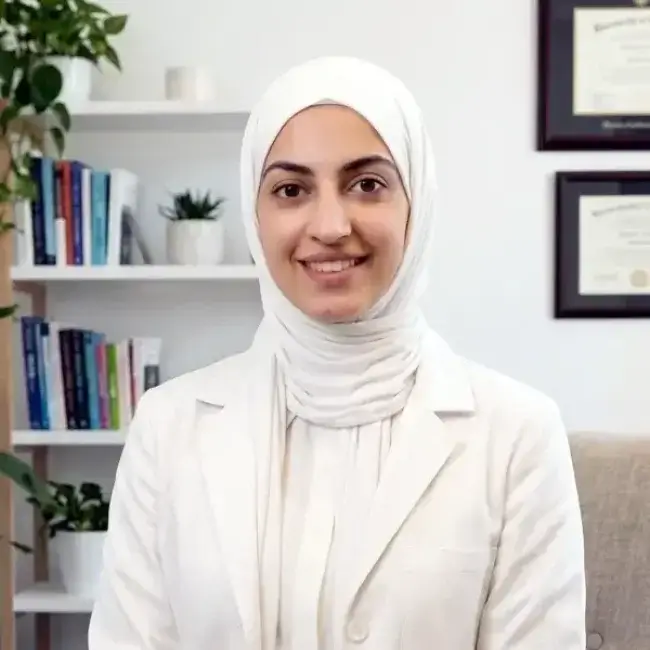
We’re compassionate about providing women’s mental health counseling focused on Autism Spectrum Disorder in Mississauga. We recognize the unique challenges women face, from anxiety to societal pressures, and we aim to create a safe space for exploration and healing. Our therapy includes trauma-informed care, anxiety management, and support through women’s groups, fostering connection and resilience. By promoting emotional regulation and self-awareness, we empower women to navigate their experiences. We’re dedicated to building a community that understands and supports these unique journeys, inviting you to explore how we can support mental wellness together.

Mississauga Women’s mental health counselling therapy offers a compassionate space where we can explore the unique challenges and strengths that come with traversing life as a woman on the autism spectrum. This specialized form of women’s therapy focuses on our emotional well-being, ensuring we feel understood and supported.
Through trauma-informed care, we can address past experiences that may have shaped our lives, helping us to build emotional resilience. We learn effective anxiety management techniques and coping strategies tailored to our specific needs, empowering us to navigate daily challenges with confidence.
Participating in women’s support groups allows us to connect with others who share similar experiences, fostering a sense of community and understanding. These groups provide a safe environment to share our thoughts and feelings, reducing feelings of isolation.
Additionally, autism support groups can complement our counselling, offering insights and shared experiences that enhance our therapeutic journey. By engaging in these resources, we not only gain valuable tools for self-care but also cultivate a deeper understanding of ourselves. Together, we can embrace our identities and thrive in a world that often overlooks our unique perspectives.
Maneuvering the complexities of autism spectrum disorder alongside mental health challenges can feel overwhelming, yet understanding this intersection helps us recognize the unique experiences we share. Many women grapple with the dual realities of autism and anxiety, which can substantially impact our emotional health. It’s crucial to acknowledge that women’s mental health needs may differ, necessitating gender-specific therapy approaches.
In our journey, seeking women’s counseling services that specialize in autism spectrum disorder can be incredibly beneficial. Mental health counseling tailored for women allows us to explore our unique challenges, including trauma recovery and emotional regulation. Such dedicated psychotherapy for women fosters a supportive environment, helping us to address anxiety and navigate the complexities of our experiences.

Steering through the distinct challenges faced by women with autism spectrum disorder requires a deeper understanding of how societal expectations and internal struggles intersect, often amplifying feelings of isolation and anxiety. We understand that many women experience unique hurdles, including the pressure to conform to gender norms, which can lead to heightened anxiety disorders and difficulties in seeking timely autism diagnosis.
As we traverse these complexities, women’s mental health support becomes essential. Gender-focused therapy can provide tailored emotional support, helping us to explore our experiences within a safe environment. This approach acknowledges the specific needs of women with autism, recognizing the importance of communication devices and autism interventions in enhancing our daily lives.
Moreover, integrating effective autism parenting strategies can empower families, fostering a supportive atmosphere for women maneuvering this developmental disorder. Together, we can advocate for awareness and understanding, ensuring that women with autism receive the thorough support they deserve. By embracing our unique challenges and sharing our stories, we can reduce feelings of isolation and build a stronger, more connected community.
Mental health counseling plays an essential role in helping us navigate the unique challenges of autism spectrum disorder, providing a safe space where we can explore our feelings and develop coping strategies tailored to our experiences. For many of us, women’s issues intersect with social communication challenges, making it crucial to find understanding and support.
Through mental health counseling, we can learn about neurodiversity and how it shapes our identities. It equips us with valuable coping mechanisms for managing anxiety relief and emotional regulation, helping us respond to overwhelming situations more effectively. Counselors can also provide us with autism resources that connect us to communities and information tailored to our needs.
Moreover, counseling offers a path to trauma healing, allowing us to unpack past experiences and understand their impact on our mental health. By addressing our unique challenges, we empower ourselves to lead fulfilling lives, equipped with the tools to face obstacles. Together, we can embrace our identities and find strength in our shared experiences, proving that mental health counseling is not only a support system but a transformative journey toward well-being.

Understanding the symptoms and traits of autism spectrum disorder (ASD) in women can often feel overwhelming, but recognizing these nuances is important for embracing our unique experiences and seeking the support we deserve. Many of us may exhibit high-functioning autism, where we navigate daily life while grappling with autism symptoms that can be subtle and often overlooked.
We might notice difficulties in executive functioning, making it hard to plan or organize tasks. Additionally, social anxiety can manifest, making social interactions feel intimidating. It’s essential to acknowledge that our autistic traits may not always align with traditional developmental milestones, which can lead to feelings of isolation and confusion.
An accurate autism assessment can help us understand our experiences better, paving the way for effective support. Gender-focused therapy plays a significant role in this journey, as it addresses the specific challenges women face with ASD. By sharing our stories and seeking mental health care tailored to our needs, we create a space for healing and connection. Together, we can validate our experiences and empower one another to thrive despite the challenges of autism spectrum disorder.
Coping with anxiety and depression can feel particularly challenging for women with ASD, especially when these feelings intertwine with the unique struggles we face daily. Our emotional health is often impacted by co-occurring conditions, making it imperative to seek effective anxiety counseling and depression treatment tailored to our needs.
Mindfulness can be an invaluable tool in our journey toward emotional recovery. By practicing mindfulness, we can cultivate awareness of our thoughts and feelings, helping us manage stress and sensory processing issues that may trigger anxiety or depressive episodes. Integrating mindfulness techniques into our daily routines can empower us to respond to challenges with greater resilience.
Psychotherapy offers another supportive avenue for coping. A qualified therapist can guide us through understanding our experiences and developing healthy coping strategies. It’s important to remember that we’re not alone; many of us share similar struggles, and reaching out for help can be a significant step toward healing.
As we navigate the complexities of autism spectrum disorder, embracing these strategies can foster a sense of community and understanding, ultimately enhancing our well-being and quality of life.
Building on our exploration of mindfulness and psychotherapy, utilizing Cognitive Behavioral Therapy (CBT) can offer us valuable tools for improving emotional regulation as women with ASD. CBT helps us identify and challenge negative thought patterns, promoting self-awareness and fostering personal growth. By understanding our emotions better, we can navigate stress relief strategies more effectively.
This approach not only empowers us individually but also strengthens our ability to manage relationship issues that may arise. Emotional regulation is essential for our mental health, allowing us to respond to challenges with resilience. With mental health resources focused on autism treatment, we can find tailored strategies that resonate with our unique experiences.
Through CBT, we learn to articulate our feelings and thoughts, enhancing our self-advocacy. We become more adept at recognizing when we’re feeling overwhelmed, enabling us to employ coping mechanisms before situations escalate. Ultimately, this journey promotes women’s empowerment, providing us with the confidence to embrace our identities within the autism spectrum disorder community. By investing in our emotional well-being, we can cultivate healthier relationships and a greater sense of fulfillment in our lives.
As we navigate the complexities of social interactions, strengthening our social skills can empower us to forge meaningful peer relationships that enrich our lives. For women with autism spectrum disorder, engaging in social skills training can help us feel more confident during peer interactions. By participating in autism-friendly activities, we can practice and refine these skills in a supportive environment while fostering connections with others who share similar experiences.
Through counseling for women, we can explore the unique challenges we face, including emotional trauma recovery and developmental delays, and how they impact our relationships. By increasing our autism awareness, we can also better understand the social dynamics with neurotypical peers, allowing us to bridge any gaps in communication.
Relationship counseling further enhances our ability to build and maintain healthy friendships. It provides us with tools and strategies to navigate social situations, ensuring we feel valued and understood. Together, we can cultivate a community where meaningful connections thrive, helping to alleviate feelings of isolation and promoting emotional well-being. Ultimately, strengthening our social skills is a crucial step toward creating lasting bonds that enrich our lives.
Trauma-informed therapy is fundamental for us, as it recognizes the unique experiences and challenges women with autism face, fostering a safe space for healing and growth. This approach prioritizes our psychological well-being and acknowledges the impact of trauma on our lives. By focusing on women’s empowerment, we can reclaim our narratives and build resilience in the face of autism spectrum disorder.
Incorporating holistic therapy techniques, trauma-informed therapy also addresses our sensory sensitivities, helping us navigate overwhelming environments with greater ease. It encourages us to explore our feelings and experiences in a supportive atmosphere, which is essential for effective mental health therapy.
As we engage in trauma-informed therapy, we become advocates for ourselves and others in the autism community. This advocacy is critical for promoting understanding and acceptance, ensuring that our needs are recognized and met. Furthermore, trauma-informed therapy can greatly enhance maternal mental health, supporting mothers on the autism spectrum as they balance their unique challenges with parenting.
Ultimately, this therapeutic approach empowers us to heal, grow, and thrive, reinforcing our resilience and fostering a deeper understanding of our experiences within the autism spectrum.
Sensory integration strategies can play an essential role in enhancing our emotional and behavioral well-being, helping us navigate daily challenges with greater ease and confidence. By incorporating sensory integration therapy, we can better understand how our unique experiences with autism spectrum disorder impact our feelings and reactions. This approach empowers us to develop independent living skills that promote emotional well-being.
Creating sensory-friendly environments is important for our mental wellness. These spaces allow us to feel safe and supported, fostering a sense of calm amidst sensory overload. With parental support, we can learn effective coping mechanisms that facilitate behavioral therapy and enhance our overall quality of life.
Moreover, autism education is crucial in equipping us with the tools we need to advocate for ourselves. As we engage in these strategies, we not only improve our emotional and behavioral health but also strengthen our sense of women’s empowerment. Together, we can embrace our unique identities and flourish in our journeys. By prioritizing sensory integration, we pave the way for a brighter, more fulfilling future, where we can thrive personally and within our communities.
Family counseling can be an essential resource for women with autism spectrum disorder, providing a supportive environment where we can explore our unique challenges and strengthen our connections with loved ones. Together, we can address identity issues that often arise from societal expectations and the complexities of our experiences.
Through family counseling, we gain access to mental health advocacy, allowing us to understand and articulate our needs better. This support fosters women’s empowerment, encouraging us to take charge of our mental health and pursue holistic wellness. Family dynamics play a significant role in our journey, and early intervention can create lasting positive impacts.
Moreover, family counseling can integrate elements of grief counseling, helping us process losses—whether they are relationships or missed opportunities. The shared space allows for open dialogue, facilitating stress reduction and mutual understanding. Participants can learn about various autism therapies, enriching our family’s approach to support.
Ultimately, family counseling strengthens our relationships while equipping us with tools to navigate the challenges of autism spectrum disorder, ensuring that we feel valued, understood, and empowered as we journey forward together.
As we navigate the complexities of our lives, developing executive functioning skills becomes increasingly important, helping us adapt to new challenges and changes with confidence. Women with autism spectrum disorder often face unique life shifts, whether it’s starting a new job, entering higher education, or managing relationships. Through mental health counseling, we can cultivate adaptive strategies tailored to our individualized education plan, empowering us to tackle these shifts head-on.
Practicing techniques like mindfulness meditation can also enhance our focus and emotional regulation, essential components of executive functioning skills. By embracing autism acceptance, we not only acknowledge our strengths and challenges but also foster an environment of women’s empowerment. This acceptance helps us connect with others who share similar experiences, reinforcing our support systems.
Furthermore, participating in trauma recovery programs can provide valuable tools for overcoming past obstacles, making it easier to face future changes. Together, we can build resilience and foster a sense of community, reminding ourselves that developing these skills is a journey worth taking. With compassion and understanding, we can empower each other to thrive through every life shift, embracing our unique paths with grace and confidence.
Embracing a holistic and inclusive approach to autism therapy for women allows us to recognize and honor the diverse experiences we each bring, fostering a sense of belonging and empowerment in our therapeutic journey. By integrating various therapeutic modalities, such as trauma therapy, speech therapy, and occupational therapy, we can address not just the challenges of autism spectrum disorder, but also enhance our overall mental health.
Our focus on women’s empowerment is vital, as it helps to build self-esteem and resilience. Through inclusive education and support, we create autism-friendly environments that validate our unique perspectives and needs. This approach encourages us to explore our strengths and interests, allowing for personal growth beyond societal expectations.
When we come together in therapy, we can share insights and strategies that resonate with our experiences. By embracing holistic methods, we underline the importance of mental health and well-being, seeing ourselves as whole individuals rather than just our diagnoses. Ultimately, this inclusive approach fosters a supportive community where we can thrive, celebrate our identities, and advocate for our needs collectively.
Recognizing the unique challenges we face, group therapy and peer support offer us a powerful space to connect, share our experiences, and foster a sense of community among women on the spectrum. In these supportive environments, we can discuss our journeys navigating through autism spectrum disorder, whether we identify as high-functioning or low-functioning. Together, we explore topics like mental health, self-worth, and the impact of autism and depression on our lives.
Group therapy encourages women’s empowerment as we learn from one another’s insights and strategies. We can practice pragmatic language skills, enhancing our communication in a safe setting. These interactions can also complement applied behavior analysis, helping us apply learned skills in real-world contexts.
As we share our stories, we often discover that we’re not alone in our struggles, and that realization can be incredibly validating. Peer support acts as a reminder of our resilience and strength. This collective understanding nurtures our mental health, boosts our self-esteem, and reinforces the notion that we are valued members of our community. Ultimately, these connections help us grow and thrive as women on the spectrum.
Many women with autism spectrum disorder can benefit from accessing a variety of resources and advocacy tools designed to empower us and elevate our voices in a world that often overlooks our needs. By leveraging these tools, we can enhance our mental health, ensuring that our unique experiences are acknowledged and addressed.
Access to special education resources, for example, can help us recognize the early signs of autism and navigate educational settings more effectively. Gender-focused therapy offers tailored support that understands the intersection of autism and women’s empowerment, allowing us to explore our identities in a safe environment.
Mindfulness-based therapy can also be an invaluable resource, teaching us coping strategies to manage anxiety and stress. We can advocate for our maternal health needs, ensuring that women on the spectrum receive the support they deserve during pregnancy and motherhood.
Empowering ourselves as women with autism in Mississauga involves embracing resilience-building strategies and targeted counseling that truly understand our unique journeys. We often face challenges related to autism spectrum disorder that intersect with our identities, such as mood disorders and the impact of repetitive behaviors. Through gender-focused therapy, we can explore these complexities in a safe environment.
Counseling tailored to our specific needs helps us develop self-care practices that promote mental health and emotional well-being. By engaging in resilience-building techniques, we learn to navigate our daily lives with greater confidence and strength. This empowerment not only enhances our self-esteem but also equips us with tools to advocate for ourselves and others in our community.
Utilizing augmentative communication can be a transformative aspect of our therapy, enabling us to express our thoughts and feelings more effectively. Together, we can create a supportive network that fosters understanding and resilience. By prioritizing our mental health and embracing our unique experiences, we cultivate a sense of empowerment that benefits not just ourselves, but also the women around us. Let’s continue to uplift each other on this journey toward fulfillment and strength.
Nestled in the heart of Ontario, Mississauga offers a vibrant community that embraces diversity and fosters connections among its residents. As we explore the city, we recognize its commitment to women’s empowerment, particularly for those maneuvering challenges related to autism spectrum disorder. Here, we find a supportive environment where individuals can access specialized counseling tailored to their unique experiences.
In Mississauga, perinatal mental health is prioritized, acknowledging that new mothers may face heightened risks of depression and burnout. This understanding leads to the development of programs focused on mood stabilization through gender-focused therapy. We’re fortunate to have resources that promote wellness and mental health, ensuring that women can thrive amidst the demands of daily life.
The rich tapestry of Mississauga’s community creates opportunities for connection and understanding. By engaging in counseling services, we can share our stories and foster resilience, paving the way for healing. Together, we’re building a network that supports women with autism spectrum disorder, empowering each other to embrace our journeys and advocate for mental health awareness in our beloved city. Mississauga truly stands as a beacon of hope and support for all.

When we’re looking for a women’s mental health counselor, it’s crucial to evaluate their qualifications. We should seek someone with relevant degrees, like psychology or social work, and specific training in women’s mental health issues. It’s also important they’re licensed and have experience with our unique concerns. We might want to ask about their therapeutic approaches, ensuring they align with our needs. Feeling comfortable and understood is key to our healing journey.
Finding a therapist specializing in autism can feel overwhelming, but we can start by reaching out to local mental health organizations or online directories. Let’s look for professionals who have experience working with women, as they’ll understand our unique needs. We can also ask for recommendations from friends or support groups. Trusting our instincts when meeting potential therapists is essential; it’s all about finding someone we feel comfortable with and understood by.
Yes, there are support groups specifically for women with ASD in Mississauga. We can connect with local organizations or online communities that focus on providing safe spaces for women to share experiences and find understanding. These groups often foster a sense of belonging and can be incredibly helpful for sharing coping strategies. Let’s look into resources together, so we can find the right support that resonates with our needs and experiences.
When it comes to insurance coverage for mental health counseling, we’ve found that many plans do include some level of coverage for therapy. It’s essential to check the specifics of our individual policies, as coverage can vary widely. We should also reach out directly to our insurers to clarify what services are included. If we’re exploring options, seeking advice from our therapists might help us navigate the best paths for coverage together.
When it comes to therapy, we often find that improvement can vary greatly from person to person. Typically, we might start noticing some positive changes within a few weeks to a few months. It’s crucial to remember that progress isn’t always linear, and we shouldn’t feel discouraged by setbacks. As we continue our journey, patience and open communication with our therapist can really help us in achieving our goals and improving our mental well-being.